How to Find Home Appliance Wholesalers in Europe
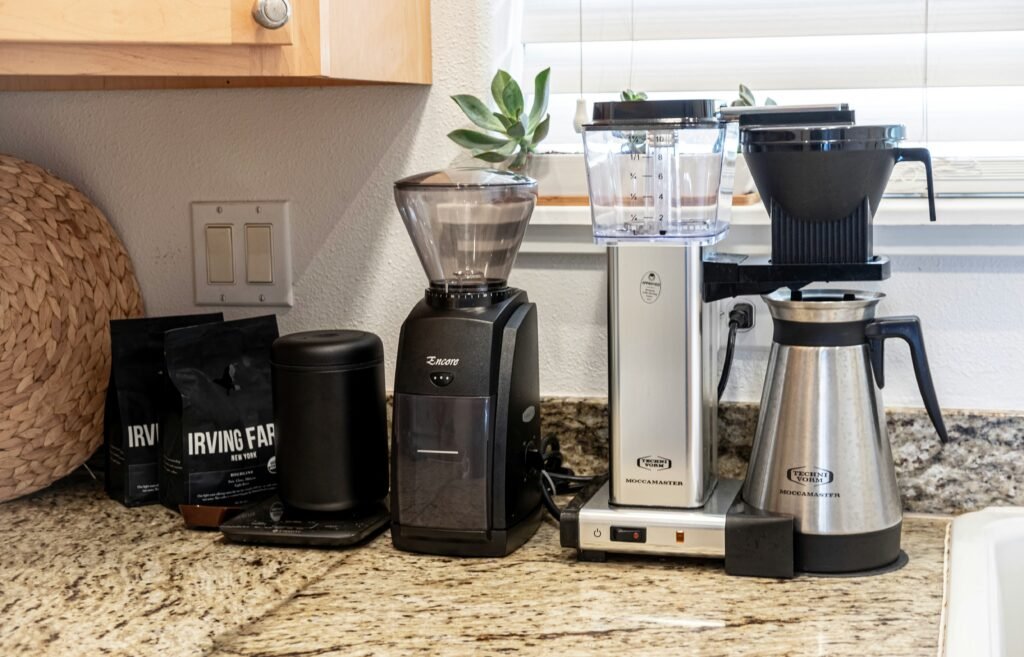
Finding reliable home appliance wholesalers in Europe can be more difficult than simply searching Google for “home appliance wholesale Europe.”
Whether you are a retailer, e-commerce business, distributor, Amazon seller, or a company looking for new appliance suppliers, the real challenge is finding suppliers that offer the right products, competitive wholesale prices, reasonable MOQs, reliable logistics, and proper EU compliance.
Europe has a large network of manufacturers, importers, distributors, wholesalers, and stock liquidation companies. The key is knowing where to look — and how to determine which suppliers are worth contacting.
In this guide, we explain how to find home appliance wholesalers in Europe and what to check before placing an order.
What Types of Home Appliance Wholesalers Can You Find in Europe?
Before starting your search, it is important to understand that not every “wholesaler” operates in the same way.
You may find:
Manufacturers – companies producing their own appliances
Brand distributors – authorized distributors of specific European or international brands
Independent wholesalers – companies buying and reselling appliances to retailers
Importers – companies importing appliances from Asia or other markets and distributing them within Europe
Private-label suppliers – companies offering products under your own brand
Stock and liquidation wholesalers – suppliers selling excess stock, discontinued models, returns, or end-of-line products
Trading companies – companies sourcing products from different manufacturers and supplying B2B buyers
The best option depends on your business model.
For example, a retailer looking for established brands will have different requirements from an e-commerce company looking for private-label air fryers.
1. Start With a Very Specific Product Search
One of the biggest mistakes buyers make is searching for something too broad.
Instead of searching for:
“home appliance wholesaler Europe”
define exactly what you need.
For example:
air fryer wholesaler Europe
coffee machine distributor Germany
small kitchen appliances wholesale Netherlands
vacuum cleaner wholesaler Italy
private label kitchen appliances Europe
home appliances distributor Spain
electrical household appliances wholesaler Poland
small domestic appliances B2B Europe
You should also decide whether you are looking for small domestic appliances or large household appliances.
Small home appliances
These can include:
Air fryers
Blenders
Coffee machines
Kettles
Toasters
Food processors
Hand mixers
Vacuum cleaners
Garment steamers
Hair dryers
Kitchen appliances
Large household appliances
These can include:
Refrigerators
Washing machines
Dishwashers
Ovens
Cookers
Freezers
Dryers
Air-conditioning equipment
The supplier landscape, logistics and minimum order quantities can be very different between these two categories.
2. Search European B2B Supplier Directories
B2B directories can be a useful starting point for building a supplier list.
Platforms such as Europages contain large numbers of European companies classified as manufacturers, distributors, wholesalers and suppliers. For example, its current household-appliance listings include thousands of companies across Europe.
The advantage is that you can search by:
Product
Country
Supplier type
Industry
Manufacturer/distributor/wholesaler
However, being listed in a B2B directory does not automatically mean that a supplier is suitable for your business.
Use directories to create a longlist — not to make your final supplier decision.
3. Search Country by Country
Instead of looking only for “European wholesalers,” search individual markets.
Some European countries have particularly strong distribution and trading networks for consumer electronics and household appliances.
For example, you can search:
Germany
home appliance wholesaler Germany
Haushaltsgeräte Großhandel Deutschland
Netherlands
home appliances wholesaler Netherlands
huishoudelijke apparaten groothandel
Italy
elettrodomestici ingrosso Italia
Spain
mayorista electrodomésticos España
France
grossiste électroménager France
Poland
sprzęt AGD hurtownia Polska
This approach can uncover suppliers that don’t rank well for English-language searches.
4. Look for Importers and Distributors, Not Only Manufacturers
A common mistake is assuming that the manufacturer is always the best supplier.
It isn’t.
A European distributor may already have:
Stock in an EU warehouse
Established logistics
Multiple brands
Smaller MOQs
Faster delivery
Local customer service
Existing compliance documentation
For a retailer that needs 50, 100 or 500 units, purchasing from an established European wholesaler can sometimes be much easier than importing directly from a factory in China.
On the other hand, if you need private label, custom products or large volumes, going directly to a manufacturer may provide better long-term pricing.
The right supplier depends on your project.
5. Check Wholesale Marketplaces and B2B Platforms
Online B2B platforms can help you discover suppliers, compare product ranges and identify potential distributors.
But don’t stop at the product listing.
When you find an interesting supplier, investigate:
Company website
Company registration
Physical address
Years in business
Product portfolio
Brands represented
Warehouse location
Sales markets
Minimum order quantity
Payment terms
Warranty policy
Returns procedure
Compliance documentation
The goal is to move from “I found a supplier” to “I verified that this supplier could work for my business.”
6. Attend European Trade Fairs
Trade fairs can be one of the best ways to find appliance suppliers because you can meet companies directly.
Depending on your product category, look for trade fairs focused on:
Consumer electronics
Household appliances
Kitchen equipment
Home & living
Retail
Electronics
Private label products
Trade fairs can be particularly valuable when you are looking for:
New brands
Private-label manufacturers
Exclusive distribution opportunities
New product launches
European distributors
Long-term supply partnerships
Instead of only collecting catalogues, use the opportunity to ask detailed questions about MOQ, pricing, territories, stock and distribution rights.
7. Ask for a Wholesale Price List
Once you identify a potential supplier, ask for their current B2B price list.
But don’t look only at the unit price.
You should also ask:
What is the MOQ?
Is the price per piece or carton?
What is the carton quantity?
Are prices EXW, FCA or delivered?
Is VAT included?
Where is the stock located?
What is the current stock quantity?
What is the lead time?
Are prices volume-dependent?
Are samples available?
What payment terms are offered?
What warranty is included?
What happens with defective products?
A €30 product is not necessarily cheaper than a €35 product if the first supplier requires expensive shipping, has a high MOQ or provides poor warranty support.
8. Verify EU Product Compliance
This is one of the most important parts of sourcing electrical appliances in Europe.
Before buying, don’t simply ask:
“Is it CE certified?”
Ask for the actual compliance documentation relevant to the product.
Many electrical and electronic products are subject to EU product requirements, and CE marking is required for products covered by harmonised EU legislation. The manufacturer is responsible for carrying out the applicable conformity assessment and preparing the relevant documentation.
Depending on the product, you may need to investigate:
CE marking
EU Declaration of Conformity
Technical documentation
Applicable safety requirements
EMC requirements
RoHS requirements
Energy-labelling requirements where applicable
WEEE obligations
Product-specific regulations
Correct user instructions and safety information
EU guidance also makes clear that importers and distributors have responsibilities when placing products on the European market.
Don’t accept a CE logo as proof of compliance
A CE logo printed on a product or catalogue is not the same thing as having properly completed compliance documentation.
For electrical products, this is an area where buyers should be particularly careful.
9. Don’t Forget WEEE Requirements
Electrical and electronic appliances can also fall under WEEE requirements.
WEEE stands for Waste Electrical and Electronic Equipment.
Depending on where and how you sell the products, registration, reporting, collection and recycling obligations can apply at national level.
The EU explains that companies selling electrical and electronic equipment may have obligations in each country where they distribute or sell products.
This is particularly important if you are importing products yourself rather than purchasing from an established European distributor.
10. Compare at Least 3–5 Suppliers
Never make your supplier decision based on the first quotation you receive.
For an important purchasing project, I recommend creating a comparison table.
Compare:
| Factor | Supplier A | Supplier B | Supplier C |
|---|---|---|---|
| Unit price | |||
| MOQ | |||
| Stock | |||
| Lead time | |||
| Shipping terms | |||
| Warranty | |||
| Compliance documents | |||
| Private label | |||
| Payment terms | |||
| Country of origin |
This makes it much easier to see the real differences between suppliers.
11. Check Whether the Supplier Is an Authorized Distributor
If you are buying branded appliances, this is especially important.
Ask:
“Are you an authorized distributor for this brand?”
If they claim to be, ask for confirmation or supporting information.
This matters because buying branded products from an unauthorized source can create problems with:
Warranty
Distribution rights
Brand restrictions
Product authenticity
Marketplace selling
Territorial restrictions
For example, if you plan to sell through Amazon or another major marketplace, you should check the supplier’s documentation and your rights to resell the products before placing a large order.
12. Consider European Stock vs. Direct Import
There are two very different sourcing strategies.
Option 1: Buy from a European wholesaler
Advantages:
Faster delivery
EU warehouse
Easier logistics
Potentially smaller MOQ
No direct import process
Easier replenishment
Disadvantages:
Higher unit cost
Less customization
Less control over the supply chain
Option 2: Source directly from the manufacturer
Advantages:
Better pricing at higher volumes
Private-label opportunities
Product customization
Packaging customization
Direct factory relationship
Disadvantages:
Higher MOQ
Longer lead times
More complex logistics
Greater responsibility for compliance
More supplier verification required
For a growing business, sometimes the best strategy is to start with a European wholesaler and move to direct manufacturing once sales volume increases.
13. Ask the Right Questions Before Ordering
Before you place an order, send the supplier a structured inquiry.
For example:
We are looking for a European wholesale supplier of small home appliances for distribution in [country].
Please provide:
Product catalogue
B2B price list
MOQ
Current stock availability
Warehouse location
Lead time
Payment terms
Incoterms
Warranty conditions
EU compliance documentation
Private-label options, if available
Sample availability
Shipping options
A professional inquiry makes it much easier to compare suppliers.
14. What Makes a Good European Appliance Wholesaler?
A good supplier is not necessarily the company offering the lowest price.
Look for a combination of:
Competitive pricing + reliable stock + good communication + appropriate MOQ + compliance + warranty + dependable logistics.
A supplier that responds quickly and transparently to your questions is usually easier to work with than one that gives you a low price but cannot provide basic information about the product.
Where Should You Look First?
If you are starting from zero, I recommend this process:
Step 1
Define the exact appliance category and target market.
Step 2
Search Google using product + country + wholesale/distributor terms.
Step 3
Search B2B directories such as Europages.
Step 4
Look for manufacturers, distributors and importers separately.
Step 5
Build a list of 10–20 potential suppliers.
Step 6
Send the same structured inquiry to each supplier.
Step 7
Compare pricing, MOQ, stock, logistics and compliance.
Step 8
Request samples where appropriate.
Step 9
Verify the company and documentation.
Step 10
Start with a smaller order before committing to a large purchase.
Need Help Finding Home Appliance Wholesalers in Europe?
Finding suppliers is only the first step.
The more difficult part is determining which suppliers are actually suitable for your business.
At SGlobe, we help companies identify and evaluate manufacturers, wholesalers and distributors across Europe and other global markets.
Depending on your requirements, we can help with:
European wholesaler research
Manufacturer sourcing
Supplier identification
Private-label sourcing
Supplier comparison
MOQ and price negotiation
Product and supplier verification
EU sourcing
Global sourcing
If you already know what type of home appliance you are looking for, you can start with a clear product specification and target quantity. The more specific the requirements, the more accurately potential suppliers can be evaluated.
Looking for a reliable home appliance wholesaler in Europe? Contact SGlobe to discuss your sourcing requirements.